Week 37, 2026
← Week 36, 2026 · All weeks in the News Archive · Week 38, 2026 →
Highlights selected from everything kept between September 4, 2026 and September 11, 2026. Items are selected several times a day by an automated pipeline and the summaries are machine generated; follow the links to the original sources. See About for how selection works.

The week in brief
A randomized controlled trial (RCT) in Indonesia, Kenya, and the Netherlands found that physicians with access to GPT-4o, a large language model (LLM), outperformed those without it, with the largest gain, 18 percentage points, in the Kenyan sample [2]. The caveats matter as much as the effect: controls had no internet or guideline access, harms were not assessed, and the authors note the results come from controlled conditions rather than real practice [2]. A Nature Medicine commentary on one of the first RCTs of artificial intelligence (AI) in medicine argues that tools should be judged on whether human-AI systems improve patient outcomes, not on whether algorithms match clinicians [1]. A call for collaborators on the Validation Accords adds that real-world validation of generative AI is often omitted [5].
Deployment reports point to the same gap. Implementers of an AI-agent eye clinic in China report that AI-native care requires workflow integration, clinician engagement, and measurable clinical value [6]. ARPA-H, the government agency funding health research, committed $62.7 million toward partially autonomous AI for heart failure, authorized by the Food and Drug Administration (FDA), to assess symptoms, prescribe drugs, and order lab tests for patients without specialist access [7].
An international working group's framework of seven domains and 24 learning objectives holds that AI education must be clinically grounded, ethically integrated, and implementation-aware [8]. The three-country trial is a ready case: students can name what its controls lacked and why unassessed harms limit the conclusion [2].
Written from the items highlighted below; numbered links go to the sources.
New opportunities
- Build, Ship, Shape: Amazon Developer Hackathon: newly listed (application deadline 2026-10-23)
- OpenCV AI Competition 2026, powered by AWS: newly listed (application deadline 2026-10-26; runs 2026-08-26 to 2026-10-26)
Color key: News and Events
Medical Education
International working group published recommendations for a global framework on artificial intelligence education in medical schools and training programs.
Clinical Practice
A randomized trial of AI in clinical practice shows algorithms must improve patient outcomes, not merely match clinician performance.
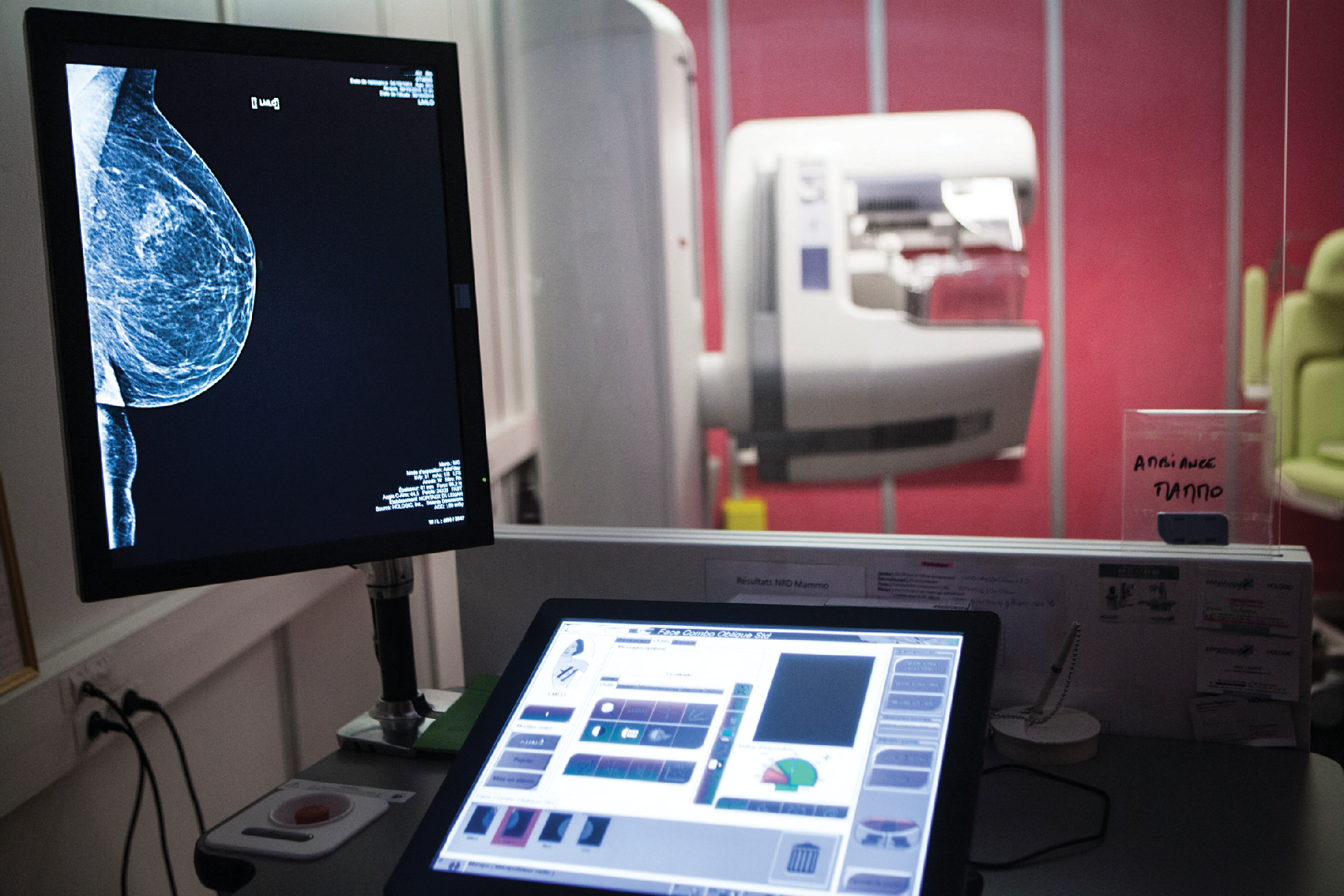
A multi-country randomized controlled trial measures how large language model assistance changes physician clinical decision-making across different healthcare contexts.
An LLM-based clinical assistant integrating longitudinal electronic health records can forecast maternal and infant conditions to support risk-stratified prenatal and postnatal care.
Researchers published a consensus framework and call for collaboration on validating generative AI in clinical applications.
Real-world implementation of an AI-native eye clinic in China reveals that workflow integration, clinician engagement, and demonstrated clinical value are essential to transition from AI-assisted to integrated care models.
The U.S. government agency ARPA-H is investing 62.7 million dollars to develop FDA-authorized artificial intelligence tools for directing heart failure treatment.

General AI
Google DeepMind has mapped nine billion possible DNA variants to understand how non-coding DNA regulates gene activity and affects biological function.

Videos
 AlphaGenome Atlas: predicting effects of human genome variants
AlphaGenome predicts molecular effects of all nine billion single-nucleotide variants in the human genome, enabling systematic analysis of genetic variation.
AlphaGenome Atlas: predicting effects of human genome variants
AlphaGenome predicts molecular effects of all nine billion single-nucleotide variants in the human genome, enabling systematic analysis of genetic variation.
 OpenAI Agents API announcement
OpenAI introduces the Agents API for building and deploying autonomous agents at scale with hosted infrastructure.
OpenAI Agents API announcement
OpenAI introduces the Agents API for building and deploying autonomous agents at scale with hosted infrastructure.
 Recent AI model releases and benchmark updates
Overview of recent AI model releases and benchmarks, including cost efficiency improvements and safety considerations for medical educators following the field.
Recent AI model releases and benchmark updates
Overview of recent AI model releases and benchmarks, including cost efficiency improvements and safety considerations for medical educators following the field.
 Using ChatGPT to discover new antibiotics
Lab researchers describe using ChatGPT and code generation to accelerate discovery of new antibiotics targeting resistant bacteria.
Using ChatGPT to discover new antibiotics
Lab researchers describe using ChatGPT and code generation to accelerate discovery of new antibiotics targeting resistant bacteria.
Podcasts
 Is AI in Education Reaching an Inflection Point?
Panelists discuss whether AI adoption in education has reached a tipping point, examining recent developments in policy, employment, and public trust.
Is AI in Education Reaching an Inflection Point?
Panelists discuss whether AI adoption in education has reached a tipping point, examining recent developments in policy, employment, and public trust.
 Agentic Loops for Knowledge Workers
Episode explains how knowledge workers can use agentic loops and iterative prompting to improve reliability and completeness of AI-assisted work.
Agentic Loops for Knowledge Workers
Episode explains how knowledge workers can use agentic loops and iterative prompting to improve reliability and completeness of AI-assisted work.
Also this week
Assessment and feedback
- Multi-view AI output variability as a teaching resource in a micro-course for thyroid TI-RADS interpretation among ultrasound residents: a randomized controlled trial (PubMed AI in medical education)
- How Well Do AI Chatbots Understand Abnormal Anatomy: A Comparative Study Using Congenital Anomalies and Tumor Cases (PubMed AI in medical education)
- Leveraging Natural Language Processing for Analysis of EPA Comment Quality by Automated QuAL Scoring (PubMed AI in medical education)
- Developing validity arguments for artificial intelligence-based assessment: Balancing affordances and threats (PubMed AI in medical education)
- Sentence-Level Provenance for AI Medical Record Summarization in a Click-to-Inspect Interface: Formative Usability Evaluation (PubMed AI in medical education)
- Accuracy of General-Use Multimodal AI Platforms for Pell and Gregory Classification of Impacted Mandibular Third Molars (PubMed AI in medical education)
Attitudes and adoption
- Self-Reported Knowledge, Attitudes, Perceptions, and Readiness Regarding AI Among Obstetrics and Gynecology Trainees: Cross-Sectional Study (PubMed AI in medical education)
- Beyond the Algorithm: A Stewardship Framework for the Hand Surgeon Adopting Artificial Intelligence (PubMed AI in medical education)
- Oncologists' knowledge, attitudes and needs about artificial intelligence in clinical oncology in Luxembourg in 2026: a national cross-sectional survey (AICO study) (PubMed AI in medical education)
- 'Apply caution' Medical educator perspectives on undergraduate students using AI in reflection: a qualitative study (PubMed AI in medical education)
- AI at the Bedside: An Argument for a Training Wheels Approach (PubMed AI in medical education)
- Adoption, perceived value, and barriers to generative artificial intelligence in emergency medicine: A cross-sectional survey of Latin American clinicians (PubMed AI in medical education)
- Using Chat Generative Pre-Trained Transformer for teaching and learning: A survey among health professions educators (PubMed AI in medical education)
- Canadian Medical Students Interested in Radiology Report Greater Perceived Importance of Procedural Roles and Greater Career Sustainability Amid Artificial Intelligence (PubMed AI in medical education)
Benchmarks and evaluation
- Contamination Inflates Scores but Rarely Reorders Large Language Model Leaderboards (arXiv cs.CL)
- Judging LLM-as-a-Judge: Concerning Rubric Artifacts in LLM-based Automated Text Generation Evaluation (arXiv cs.CL)
Clinical decision support
- Auditable Emergency Triage for Maternal and Newborn Care in India (arXiv cs.CL)
- RDMA: cost effective agent-driven rare disease mining from electronic health records (npj Digital Medicine)
- Opinion: Autonomous AI will beat AI-assisted physicians at some medical tasks by 2030 (STAT News AI)
- A Rubric-Guided Large Language Model Solution for Opioid Use Disorder Computable Phenotyping (arXiv cs.CL)
- DystoniaDBSNet as a novel deep learning biomarker of predictive deep brain stimulation outcome in dystonia (npj Digital Medicine)
- A domain-specific large language model for evidence-based nursing: development and multi-method evaluation of EviNurse (npj Digital Medicine)
- Identifying potential nonpulmonary vein triggers in persistent atrial fibrillation using digital twins and deep learning (npj Digital Medicine)
- Digital Predictive Technologies for Fall Risk Assessment, Prediction, and Prevention in Long-Term Care: A Scoping Review (PubMed AI in medical education)
Clinical documentation
- Computable longitudinal patient journeys from structured and unstructured EHR data (Nature Medicine)
- The Promise of Ambient AI Technology in Medical Education: Opportunities and Guardrails (JMIR Medical Informatics)
- Automated Extraction of Postoperative Cancer Recurrence and Metastasis From Computed Tomography (CT) Reports: Semisupervised Deep Learning Study (JMIR Medical Informatics)
- VERGE: Verification-Enhanced Refinement for Grounded Extraction of Early-Onset Colorectal Cancer Symptoms in Clinical Notes (arXiv cs.CL)
Exams and benchmarks
- LLM-Anchored Paralinguistic Enrichment for Alzheimer's Disease Detection (arXiv cs.CL)
- Assessment Design in the Era of Large Language Models: Evidence From Japanese Health Professions Licensing Examinations (PubMed AI in medical education)
- Which Medical Questions Deserve Rationales? Perturbation-Sensitive Selection for Robust QA (arXiv cs.CL)
- AI-Assisted Angoff Standard Setting for Multiple-Choice Examinations in Medical Education: Comparative Study (JMIR Medical Education)
- Select large language models outperform hip preservation experts on consensus-based hip preservation questionnaire (PubMed AI in medical education)
- MedProb: Probing Internal Representations of Vision-Language Models for Medical Question Answering (arXiv cs.CL)
- Multimodal Large Language Models for Dental Chart Image Interpretation: Cross-Sectional Benchmarking Study With Students and Clinicians (JMIR Medical Education)
Imaging and diagnostics
- AI-Based Approaches for the Identification and Quantification of Traumatic Brain Injury in Computed Tomography Imaging: Systematic Review (JMIR AI)
- A clinically-oriented foundation model for intraoperative pathology (Nature Medicine)
- Integrating Lymph Node Metastasis and Programmed Death-Ligand 1 Prediction in Non, Small Cell Lung Cancer From a Single PET/CT Scan: Multicenter Radiomics Study (JMIR Medical Informatics)
- PREDICT-GBM: A multicenter platform advancing personalized glioblastoma radiotherapy planning (npj Digital Medicine)
- AI-derived carotid plaque vulnerability from B-mode ultrasound for cerebrovascular risk stratification: a multicenter cohort study (npj Digital Medicine)
- Multimodal artificial intelligence integrating peritumoral MRI and clinical data stratifies meningioma recurrence risk after radiotherapy (npj Digital Medicine)
- ECG-based detection of occlusion myocardial infarction: a dedicated deep neural network versus multimodal large language models and physicians - a retrospective diagnostic accuracy study (PubMed AI in medical education)
- Unsupervised machine learning for placental disease using cell spatial organization (npj Digital Medicine)
Industry and policy
- Mathematicians want proof OpenAI didn’t use their work (The Verge AI)
- Microsoft has new AI privacy rules for schools (The Verge AI)
New models
- Cognition launches new SWE-2 model, Rivaling Fable 5.1 and GPT-Astra (Hacker News (LLM, 100+ points))
- DeepSeek V4-1 Flash is out (r/LocalLLaMA weekly top)
- Desert Ant Labs: local, fast models that run on device (Hacker News (LLM, 100+ points))
- DeepSeek Flash 4.1 is already being tested via API and rolling out. (r/LocalLLaMA weekly top)
- Sam Altman apologizes for ‘messy’ GPT-6 Astra rollout that’s locked out paying users (The Verge AI)
- Jina-OCR-v1: Efficient Document Parsing with Speculative Decoding and Dense Verifiable Rewards (arXiv cs.CL)
Patient facing tools
- Enhancing Patients’ Informed Consent Through AI: Systematic Review (JMIR AI)
- Impact of LLM-supported patient education on patient perspectives and patient-reported outcomes: a mixed-methods systematic review (npj Digital Medicine)
- From feasibility to neuroanatomic validity of remote cognitive smartphone assessments in early Alzheimer’s disease (npj Digital Medicine)
- A voice-biomarker foundation model for ALS monitoring and Parkinson’s screening (npj Digital Medicine)
Research and methods
- Data-Efficient Language Modeling: From Frontier Advancement to Principle-Guided Model Improvement (arXiv cs.CL)
- NCP-ArchPreview Technical Report: Moving towards Latent Space Language Models through Next Concept Prediction (arXiv cs.CL)
- OpenAI’s sly mathematical breakthrough sends a chill through academia (The Verge AI)
- Google's AI genome system evaluates every possible one-base change (Ars Technica AI)
- Compute-efficient pretraining and scaling to trillion-parameter models (Hacker News (LLM, 100+ points))
- Google’s Atlas of the human genome could pave the way for new treatments (The Verge AI)
- AI Has Solved One of Math’s $1 Million Millennium Prize Problems (Quanta Magazine AI)
- Evidence Integration in Large Language Models (arXiv cs.CL)
- GRACE: Graph-Grounded Reflective Agent Copilot Engine for Expert-in-the-Loop Knowledge Expansion (arXiv cs.CL)
- Shared circuits predict whether LLMs generalize across formats in arithmetic reasoning (arXiv cs.CL)
- When Do Internal Probes Beat Reading the Answer? Miscalibrated Readouts and Behavior-Concealed Knowledge in Language Models (arXiv cs.CL)
- PiPMRE: A Pipeline Based on Language Model for Medical Relation Extraction (arXiv cs.CL)
- Distilled Rapid Embedding Transfer (DRET): Parameter-Efficient Biomedical Domain Adaptation via Priority-Based Embedding Transfer (arXiv cs.CL)
Safety and evaluation
- When Auditors Fabricate: Batch-Size Degradation and Confident Hallucination in LLM Detection of Planted Document Contamination (arXiv cs.CL)
- STAT+: U.K. unveils recommendations for regulating AI in medicine (STAT News AI)
- STAT+: Can AI fix health care? In the chaos of emergency rooms, the technology comes up short (STAT News AI)
- MedWER: A Reproducible, Model-Free Evaluation Protocol for Medical Speech Recognition (arXiv cs.CL)
- Senescence-aware filtering facilitates robust prediction of cancer immunotherapy outcomes (npj Digital Medicine)
- Exploring generalizability and explainability of LLMs in classifying clinically rated suicidal ideation using heterogeneous data (npj Digital Medicine)
- Counterfactual Fairness Audits of Multi-Step Clinical LLM Agents Require a Measured Per-Action Instability Floor (arXiv cs.CL)
- Platforms for artificial intelligence-enabled infectious disease surveillance (npj Digital Medicine)
Safety and reliability
- Detectable Only Where It Is Confounded: What Verified Duplication Counts Say About Membership Evidence in Language Models (arXiv cs.CL)
- AI Models Are Watermarking Text, Will You Notice? (IEEE Spectrum AI)
- Large language models develop novel social biases through adaptive exploration (Hacker News (LLM, 100+ points))
- AI Slop Is Changing How Engineers Review Code (IEEE Spectrum AI)
- AI models ran real businesses: They sent $12,431 in fake invoices, lost $3,200 (Hacker News (LLM, 100+ points))
- Import AI 472: DeepMind’s cheating math agents; populist AI policies; and Forethought theorizes a nightwatchman (Import AI)
- Safety for Whom? Boundary-Aware Self-Distillation for Controlled LLM Safety Refusal (arXiv cs.CL)
- OpenAI admits to German wiki ‘incident’ (The Verge AI)
Simulation and skills
- Feasibility of AI and Human Standardized Patients to Enhance Customer Discovery Communication Skills in Medical Students: Preliminary Evaluation of an Observational Cohort Study (PubMed AI in medical education)
- How to Conduct Usability Testing of Medical Education Simulations: Methods Tutorial Using a Telemedicine Simulation for Maternal Care (JMIR Medical Education)
- Stigma-sensitive communication in medical students: an AI-supported simulation of a patient living with HIV (PubMed AI in medical education)
- Intervention fidelity and competency translation of serious games in pharmacy education: a scoping umbrella review (npj Digital Medicine)
- Artificial Intelligence in Orthopaedic Training: A Narrative Literature Review of Applications, Evidence, and Limitations (PubMed AI in medical education)
- Comparison of artificial intelligence assisted training and traditional learning paths in clinical simulation skills training: meta-analysis of randomized controlled trials (PubMed AI in medical education)
Teaching and curriculum
- Promise, Mimicry, and Surveillance: Responsibly Integrating Artificial Intelligence With Socratic Inquiry in Medical Education (JMIR Medical Education)
- Profiling Human-AI Regulatory Support in Technology-Enhanced Interprofessional Education Among Health Professions Students: Person-Centered Exploratory Study (JMIR Medical Education)
- Artificial intelligence in reproductive medicine and education: current evidence, challenges, and future directions (PubMed AI in medical education)
- Effect of Large Language Model, Powered Virtual Standardized Patients on History-Taking Among Undergraduate Medical Students: Propensity-Matched Cohort Study (JMIR Medical Education)
- Generative artificial intelligence in medical education: from knowledge assessment to clinical reasoning and professional competence (PubMed AI in medical education)
- Priorities for artificial intelligence education: clinicians' perspectives (PubMed AI in medical education)
- Role-Differentiated AI Competencies and Curriculum Implications for Health Professions Education: Qualitative Study (JMIR Medical Education)
- Current Landscape of Curriculum Development and Implementation in Medical Artificial Intelligence: A Scoping Review (PubMed AI in medical education)
- Elucidating the transformative role of large language models in advancing anesthesiology education (PubMed AI in medical education)
- A six-point plan to prepare psychiatrists in training for the age of AI (PubMed AI in medical education)
- Hands-on Artificial Intelligence Education for Radiology Residents: A Three-year Feasibility and Curriculum Implementation Study (PubMed AI in medical education)
- A comparative evaluation of ChatGPT-assisted and traditional methods of teaching diagnostic assessments to medical students: A randomized controlled study (PubMed AI in medical education)
- Writing as formation: supervising AI use in early-career medical authorship (PubMed AI in medical education)
- Development of AI competencies within the medical curriculum (PubMed AI in medical education)
- Prompt Strategy and Model Choice in AI-Assisted Gross Anatomy Education: Evaluating Zero-Shot, Few-Shot, and Chain-of-Thought Prompting for Image Interpretation (PubMed AI in medical education)
- LLMs Learn Better In-Context from Rules than from Examples (arXiv cs.CL)
Other
- DeepSeek V4.1 Flash Is INSANE, Is THIS the Best Open Model Yet? (Bijan Bowen)
- The potential of large language models to address patients' preoperative questions before anterior cervical discectomy and fusion surgery (PubMed AI in medical education)
- Can AI help us better predict the weather? (Google DeepMind)
- Gemini 3.8 Flash Is HERE, Testing Google’s BEST Model Yet! (Bijan Bowen)
- Why won’t AI agents just follow the rules? (IBM Technology)
- DeepSeek V4.1 Flash Is INSANELY GOOD! Fast, Cheap, Powerful! (Fully Tested) (WorldofAI)
- Code Quality in the Age of AI: Why Great Code Isn't Enough (IBM Technology)
- What is Translational Foresight? - The Medical Futurist (The Medical Futurist)
- AI Simplified: 6 Concepts You Need to Know About Modern AI (IBM Technology)
- Anthropic reveals hardware specs and Claude updates, OpenAI talks security, and Runway's new model (IBM Technology)
← Week 36, 2026 · All weeks in the News Archive · Week 38, 2026 →
Comments
Joining the discussion requires a free GitHub account. Comments are stored publicly on the site's GitHub Discussions board, so leave out anything you would not post in public, such as patient details, student records, or exam content. Comments are moderated.